Science
Students gain a strong academic foundation in chemistry, cell biology, genetics, evolution, animal and plant biology, ecology, statistics, and laboratory and field methods to prepare graduates to work effectively within tribal communities and agencies.
-
Nanda‑gikenjigeng Program Overview
Nanda‑gikenjigeng is a term commonly used in Ojibwe immersion programs to describe science, meaning the seeking of knowledge through observation, inquiry, and lived experience. The name reflects the program’s foundation in learning from multiple ways of knowing from land‑based, cultural, to scientific.
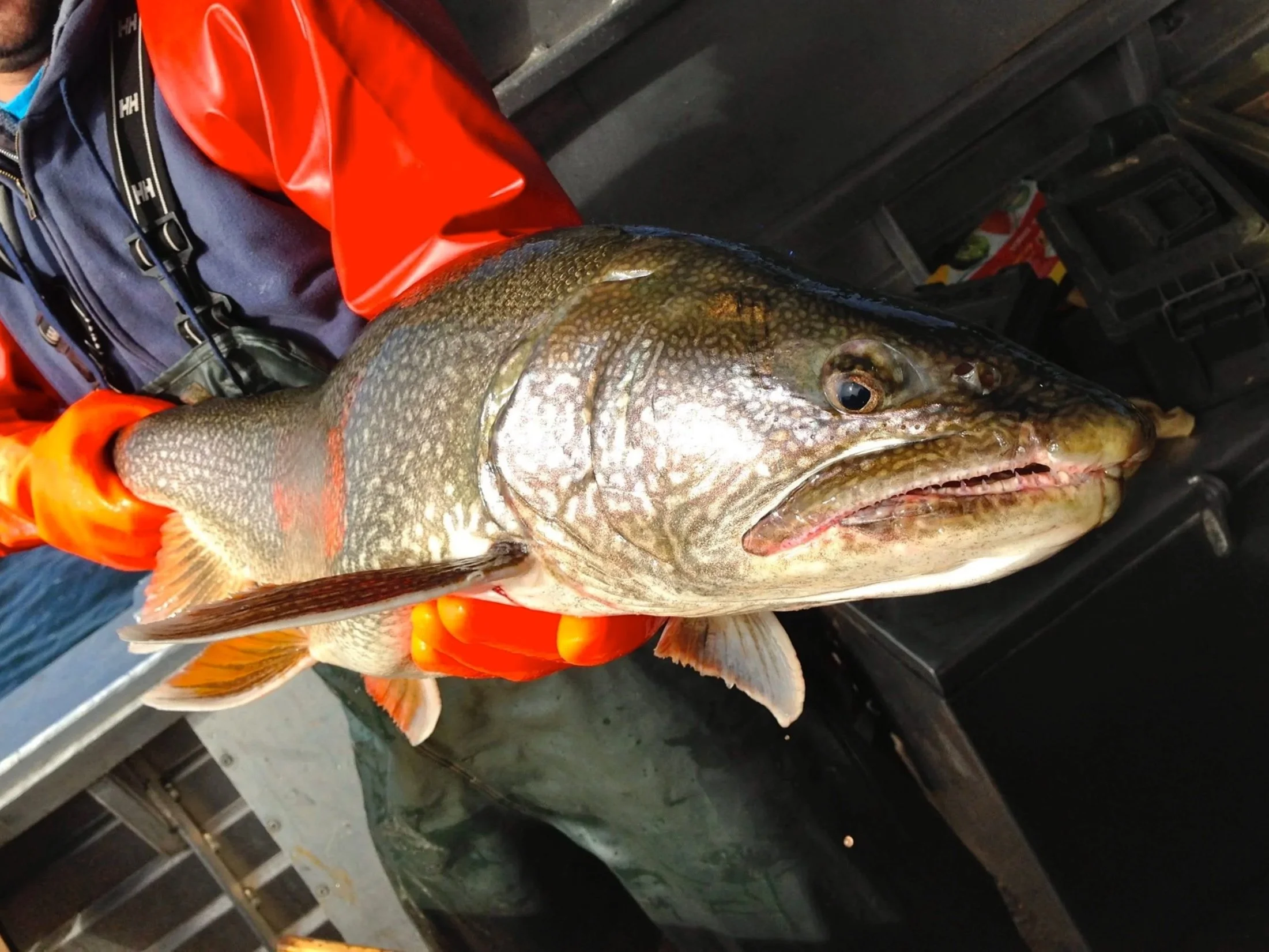
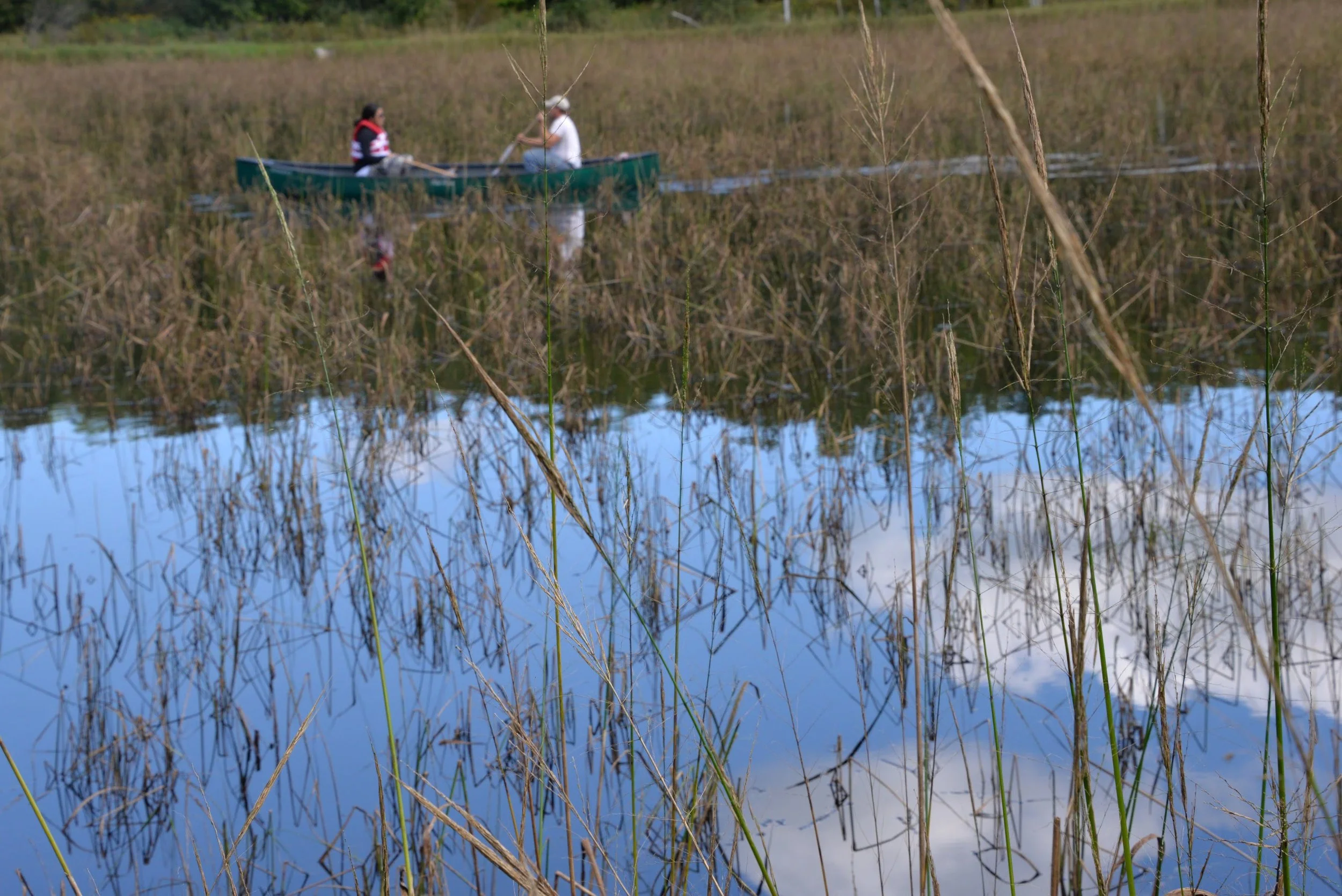
Under the Nanda‑gikenjigeng Program, students may pursue a Bachelor of Science in Biology with an emphasis in Treaty Natural Resources. This degree prepares students to understand, steward, and protect natural resources through both Indigenous knowledge systems and Western scientific foundations. Designed for students who seek careers in environmental stewardship, tribal natural resource management, conservation, ecology, or graduate study, this program integrates rigorous biological sciences with culturally grounded approaches to land, water, and ecosystem care.
Students gain a strong academic foundation in chemistry, cell biology, genetics, evolution, animal and plant biology, ecology, statistics, and laboratory and field methods to prepare graduates to work effectively within tribal communities and agencies.
A central feature of the program is its incorporation of Indigenous ecological knowledge, tribal natural resource policy, and Ojibwe cultural perspectives. A unique general education course emphasis Anishinaabe culture such as Ojibwemowin language, Native American history, and sovereignty while developing skills of writing, communication, mathematics, computer applications, humanities, and social sciences.
This program supports students in becoming knowledgeable and culturally responsive natural resource professionals who can collaborate across Tribal and scientific contexts. Graduates are equipped to contribute to sustainable land management, environmental protection, research, ecological restoration, treaty rights implementation, and community-driven stewardship initiatives.
Program Outcomes
Students will be able to analyze how treaties, tribal sovereignty, governance structures and policies influence conservation of water, land, and natural resources.
Students will be able to develop and apply sustainable water and land-use practices, and conservation strategies grounded in indigenous knowledge and traditions, and scientific methodologies.
Students will be able to develop culturally responsive administrative strategies for engaging tribal communities in decision-making processes related to natural resource governance.
Students will utilize indigenous knowledge to support the restoration and conservation of natural habitats.
Students will apply field methods, spatial tools, research skills, and data analysis techniques to inform the assessment, restoration, and stewardship of natural resources and communicate findings to diverse audiences.
Career Outlook
· Tribal Natural Resource Technician/Manager
· Conservation Biologist
· Wildlife or Fisheries Technician
· Environmental Scientist
· Forestry Technician
· Ecological Restoration Specialist
· Water Resources Technician
· GIS Technician
· Graduate or Professional School
Agriculture & Natural Resources Scholarship Scholarship Fund
$1,000
Minimum 2.0 GPA
Must be registered for at least 12 credits and be declared in an Agriculture & Natural Resource Management degree of study.
Student Organization - AISES
The American Indian Science and Engineering Society was founded in 1977 by American Indian scientists, engineers, and educators. The AISES mission is to substantially increase the representation of American Indian and Alaskan Natives in engineering, science and other related technology disciplines.
Featured Scholarship Opportunity
Featured Fellowship Opportunity
NextGen Fellowship
Maintain a GPA or 2.5 or higher
Be declared in one of the following FANH degree programs:
Nursing, Biology, or Human Services.
Learn more here.